.svg)





















.png)






















.png)


.jpg)
.svg)
-cropped%20(1).svg)
.svg)
Solar Power Systems: How To Reduce EMF Exposure Risks
Article by Blushield
January 6, 2026


.webp)

The electricity that we use to power the devices in our homes and buildings can be produced by a variety of sources. Natural gas, coal (burned to make steam), heat from nuclear energy, hydropower (moving water) and wind (moving air) can all create motion to spin a turbine, which is connected to a generator. The movement created by any of these sources spins the rotor in the generator, pushing electrons along a conductive coil, which interact with magnets to produce alternating current (AC) electromagnetic fields. This electricity travels to our homes via the power grid, and is a resource produced far away from our homes, which we depend on for most of our household routines.
Since the invention of solar power systems, which have become more economically viable over time, we now have the option to produce our own electricity directly from sunlight. This can decrease our dependency on the external power grid, and even reduce or eliminate our electricity bill. Most of us have plenty of sunlight where we live, at least during the warmer seasons, so in recent years as the components of solar power systems have become more affordable, this has become a viable option for home electricity.
The sun is a steady and reliable resource that most of us have direct access to. While the upfront cost of the components are a significant investment, a home solar power system can be economically advantageous in the long run.
How do solar power systems work to generate electricity?
With solar power systems, sunlight directly excites electrons held in crystallize materials like silicon, generating direct current (DC) electricity. This occurs on the surface of solar panels, also known as photovoltaic (PV) panels, which are placed in sunny areas like rooftops or open fields. The term photovoltaic refers to the generation of electrical voltage when photons of light come into contact with a material.
This DC electricity needs to be converted into AC to be usable by the electrical systems in homes and buildings – this is done with a device called an inverter. Inverters take the DC electricity and rapidly switch the direction back and forth, creating an “alternating” current – AC electricity. The inverter also ensures that the resulting AC matches the grid’s voltage, frequency and phase (in the United States it’s usually 120 volts at 60 hertz), to safely integrate the electricity into the grid. The end product from the harvest of solar energy generates electricity that’s identical to what’s produced by a generator powered by natural gas, coal, nuclear, hydro or wind.
Grid-tied versus off-grid solar systems – pros and cons
If a home solar power system is tied to the grid, this has several benefits and also some downsides. Batteries are by far the most expensive component of a solar power setup. With a grid tied solar system, you don’t need a battery to store the solar energy for use at night or during rainy or cloudy days – your solar power is fed directly into the larger electric grid, giving you an electricity “credit” that you can use later when it’s needed, automatically balancing out the fluctuating and unpredictable availability of sunlight. A grid tied solar system is far more convenient and flexible.
The main downside of grid tied solar power systems is that you’re still dependent on the electrical grid, even though you’re reducing your overall electricity cost by feeding your excess power into the larger grid. If the grid goes down, your power goes out, unless you have a generator as a backup. Another downside is that you’re almost certainly required to use a smart meter (unless your local area allows you to opt out), to accurately keep track of the electricity you’re sending to the grid and receiving back from it. Smart meters produce high levels of wireless radiofrequency (RF) radiation, and contaminate your home wiring with dirty electricity.
An off-grid solar system, on the other hand, is a closed system designed to produce all the electricity needs for a given location. This design requires much more forethought and careful planning, with enough solar panels to harvest sunlight energy for all household needs, a large enough battery bank to store power for use in times of the year with limited sunlight, and usually a backup generator for “worst case scenario” situations. It also necessitates more discipline and careful timing of electricity use for those living at that location. Another downside of an off-grid system is that since all power is produced at the location of use, you could be exposed to higher levels of EMFs from the storage batteries and the potentially larger quantity of total equipment used by the system. The benefits of a well designed off-grid solar system are energy independence from the external power grid, and not needing to use a smart meter.
Solar power system EMF exposure concerns & mitigation strategies
Both types of solar power systems will expose you to some level of EMFs, but understanding the EMF hotspots generated by each type of system will give you clarity about how to reduce and mitigate these risks. Solar panels produce a small amount of low voltage direct current (DC) electricity, and since they are usually placed a good distance away from living areas, the panels themselves aren’t much of an EMF concern.
The wiring that runs from the panels to the inverter and/or battery emits EMFs, and if you’re designing a solar setup, one way to minimize EMF output from the wiring is to ensure that all the wires – positive, negative, neutral and ground – are run side-by-side, tightly paired or twisted together. If the wires are run separately, inches or feet apart from each other, a strong magnetic field will be created in the space between the wires. When they’re close together, the magnetic field is basically canceled, reducing ambient EMF readings.
Every solar power setup uses an inverter to switch the DC power from sunlight into the AC power used by the grid. Inverters create dirty electricity as a byproduct of this conversion, which enters your home wiring. However, it’s important to realize that even with a conventional power system (and no solar setup), you are still exposed to dirty electricity from devices within and outside of your home. Dirty electricity, a term that describes voltage transients, fluctuations or anomalies that “dirty up” an otherwise smooth and “clean” sine wave, is an issue for almost everyone who lives a modern, technology-rich life.
The difference in EMF exposure between grid tied and off-grid solar power systems is the presence or absence of a battery, and the presence or absence of a smart meter. Off-grid systems must use batteries, and grid tied systems almost always use smart meters.
Solar batteries produce static magnetic fields, with the highest readings right next to the battery, quickly dropping down to zero as you move further away. The extra exposure from a solar battery bank can be mitigated by having a dedicated power room or shed that’s separate from the house or living area where humans and pets spend time. Your inverter can be in this room, as well, preventing exposure to the EMFs directly around the inverter.
The EMFs from a smart meter cannot as easily be mitigated by distance. If the meter is further away from the house, on the outside of a dedicated power shed, the radiofrequency (RF) transmissions the meter produces by sending and receiving data to and from the power company will be occurring further away from people, which will reduce wireless RF exposure to lower levels. However, the smart meter will still contaminate the electrical system with dirty electricity, on top of the dirty electricity that’s already being added to your home wiring by the inverter.
We also need to touch on the different types of inverters used in solar power systems: string inverters and microinverters. Microinverters are small inverters placed underneath each panel in the solar array, designed to convert DC energy from the panel into AC at the site of energy production, each inverter controlling a separate panel. String inverters are installed at the end of a string of panels, controlling them all as one, and are usually further away from the panels, on the ground in a main solar system control area (like a power shed).
Microinverters can optimize energy production since they treat each panel as a separate system. String inverters group a whole string of panels together, where the limitations of one panel could end up affecting the entire string: for example, if one panel is in the shade, or is losing efficiency due to age or corrosion, that affects the power production from the whole group. If each panel is controlled separately with microinverters, the high functioning and/or high sun exposure panels will not be limited by panels that may be converting less sunlight into power at any given time. In installations with partial shading or panel mismatch, this can result in higher total energy production over the lifetime of a system using the same number of panels.
Using microinverters under each panel is generally considered safer, since it immediately converts DC to AC – DC power can be a bigger fire hazard under compromised conditions, whereas AC is easier to control. However, that means the wiring on your roof would be running AC power, already carrying dirty electricity through the wires, potentially exposing you to more EMFs if any of your living spaces are close to the roof. Microinverters are also more costly than string inverters.
One last note about inverters and radiofrequency (RF) radiation: if you use an EMF meter (like the Trifield meter) to measure the EMFs coming from your inverter(s), you will likely notice a reading categorized as “RF”. Radiofrequency or RF emissions are commonly assumed to only come from wireless communication devices that use frequencies in the megahertz (MHz) or gigahertz (GHz) range to transmit data wirelessly from one place to another with aerial antennas. However, EMF meters will interpret any frequency in the low kilohertz (kHz) range and above as radiofrequency.
In the case of inverters, frequencies in the kHz-MHz range are produced as a byproduct of high-frequency switching electronics, in the form of a localized noise field. These emissions are not transmitted via antennas and typically diminish rapidly with distance, often approaching background levels within a few feet of the device, similar to other localized electric or magnetic field sources.
Eliminate dirty electricity concerns by cleaning up the sine wave
Dirty electricity, or high frequency voltage transients, are bad for the health of your devices and appliances, generating high frequency spikes that wear out electronic equipment, reducing their longevity. This high frequency “line noise” is also bad for your health, being potentially linked to cancer, diabetes, cardiovascular disease, chronic stress, brain and mood disorders, obesity, asthma, and electro hypersensitivity (EHS).
Whether you’re concerned about the effects of dirty electricity produced by your solar power system’s inverter, the smart meter that a grid tied solar system necessitates the use of, or even just dirty electricity produced by the regular electrical grid with its smart meters and devices/appliances that utilize power in complex ways, there is a way to “clean up” the sine wave.
The SineTamer device, which is wired into your main breaker panel, removes all the excess voltage transients and spikes from the sine wave, by absorbing the excess and converting it to heat to be dispersed through the ground wire. Unlike the capacitance-based, plug-in dirty electricity filters that are widely available – which shunt the dirty electricity onto the neutral line, creating a strong magnetic field with equal or even greater health harms – SineTamer removes the threat completely.
The SineTamer also acts as a surge protector, which is an important component of a solar power system.
Comprehensive EMF protection for a variety of electromagnetic threats
While the SineTamer is an excellent solution for cleaning up the sine wave and therefore reducing the effects of dirty electricity, you still need to protect yourself from the ambient electric and magnetic fields produced by a solar power system, as well as wireless radiofrequency radiation from a variety of sources: smart meters, Wifi routers, Bluetooth, cell phones, nearby cell towers, smart appliances, and more.
One additional concern that some people have is living near a commercial solar power plant, which can expose anyone living nearby to EMFs that are orders of magnitude higher than a home solar power system. This situation requires considerably more protection than the relatively moderate electric, magnetic and radiofrequency fields that a home system would normally expose you to.
Blushield home and portable EMF protection devices offer comprehensive protection from all these radiation sources. There are different models designed for differing levels of EMF exposure, whether you live in a rural area or small town, suburban area or medium city, or even a large city or metropolitan area.
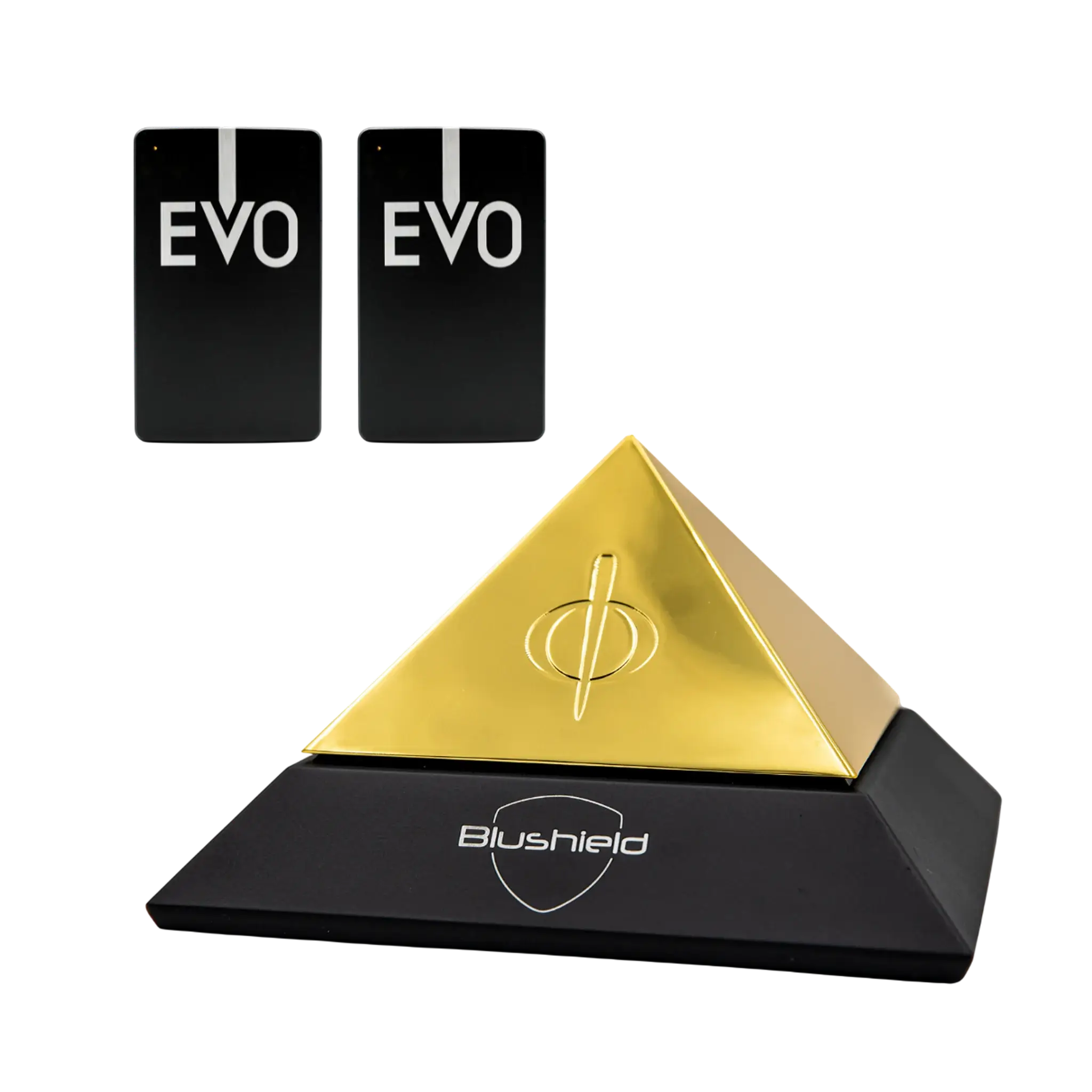
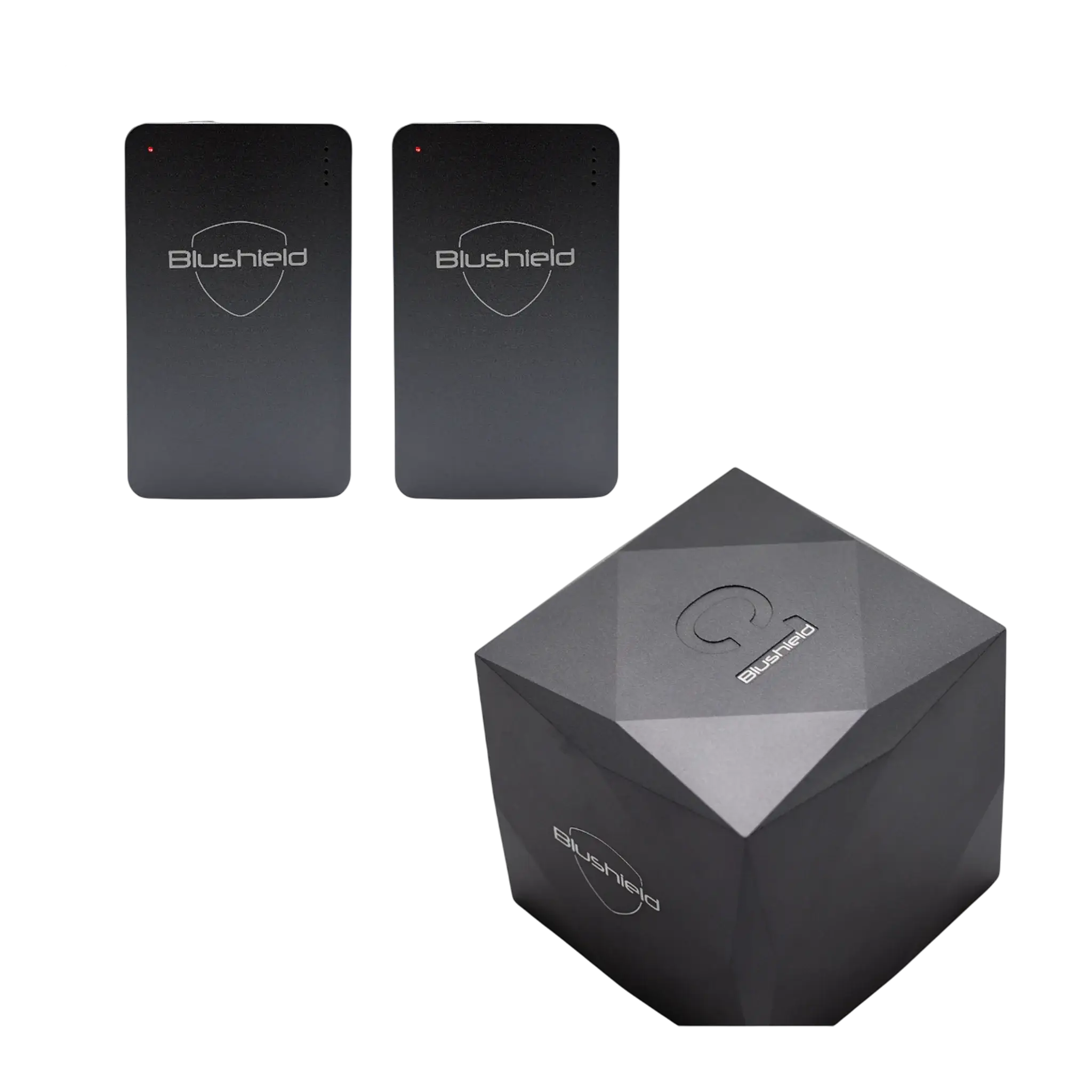
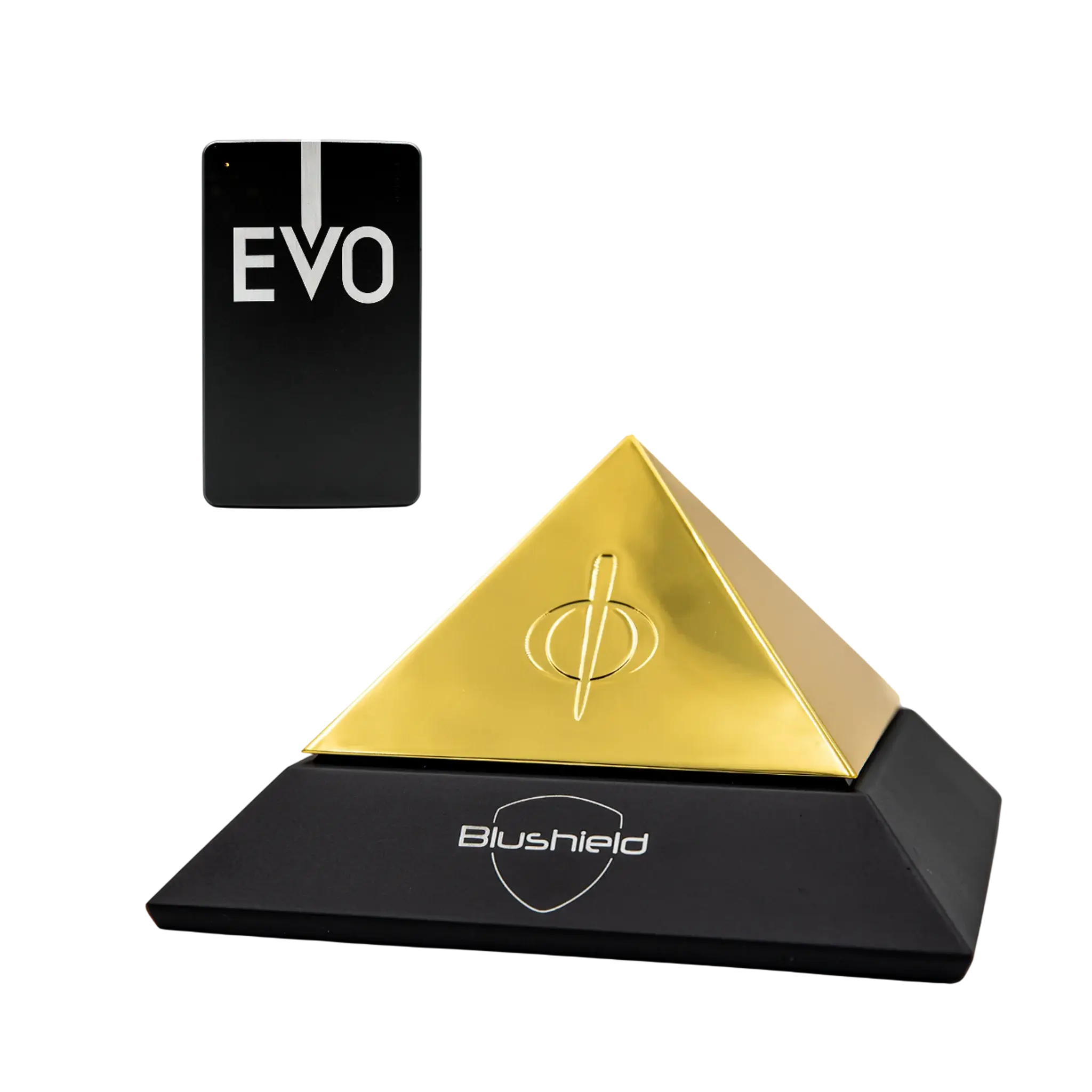
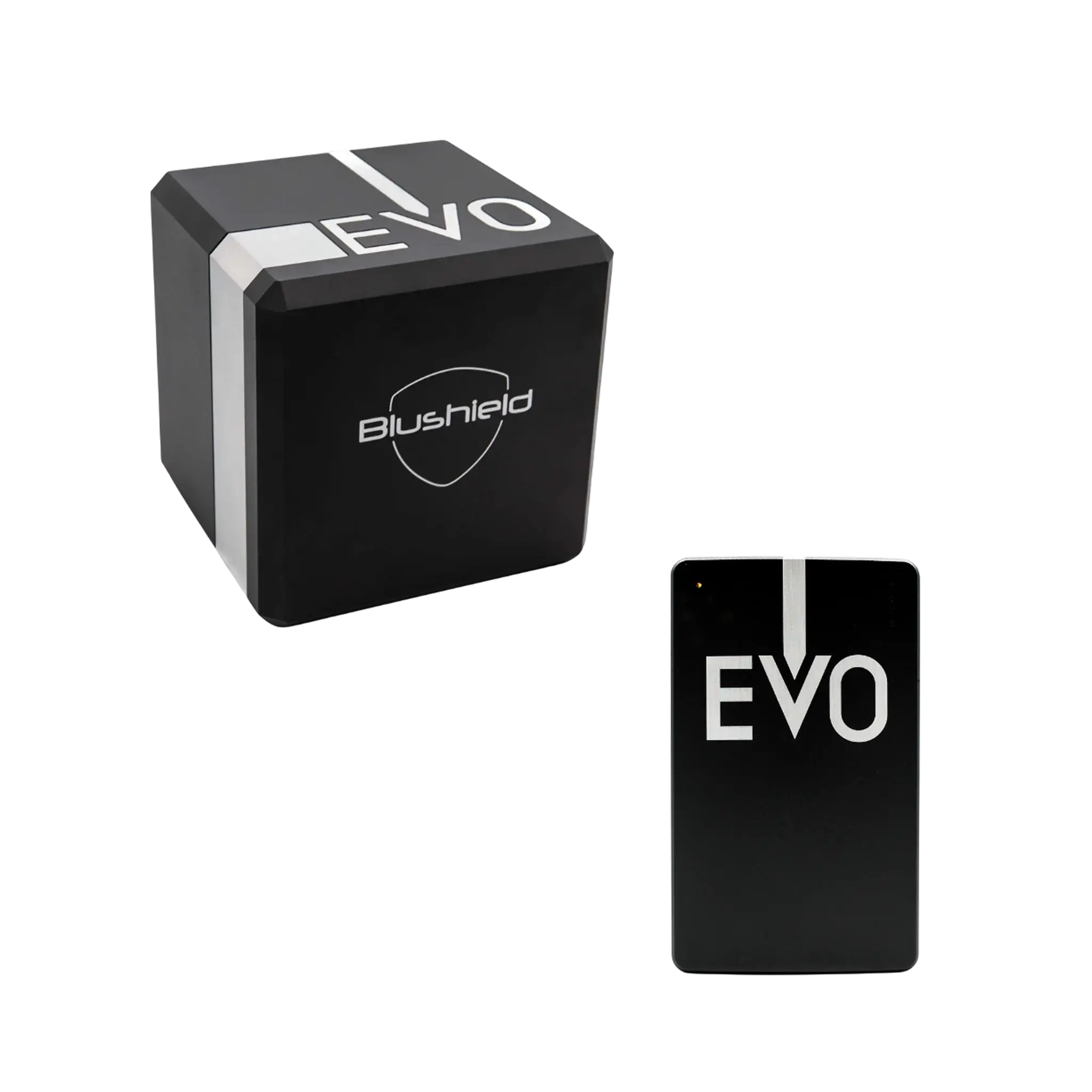
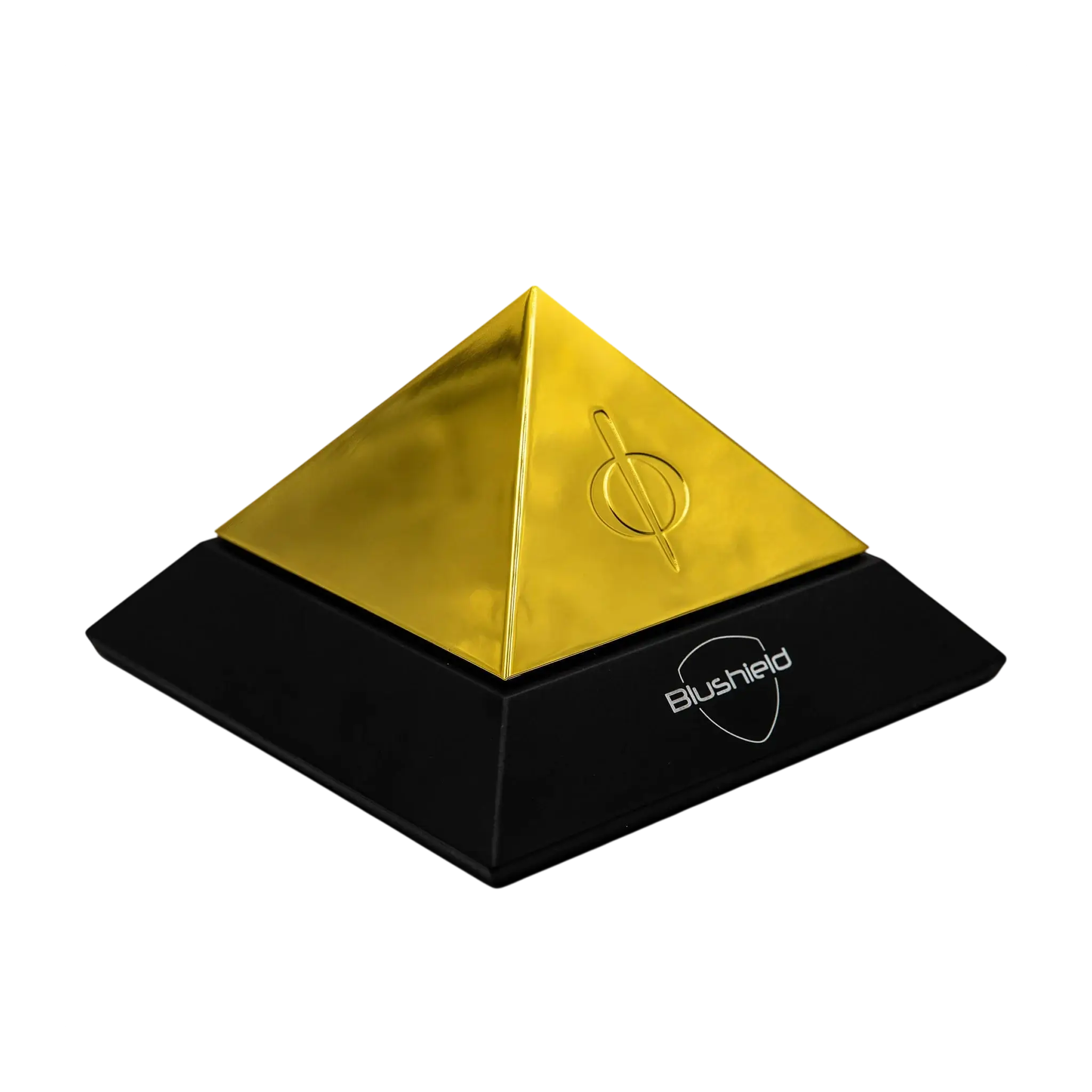
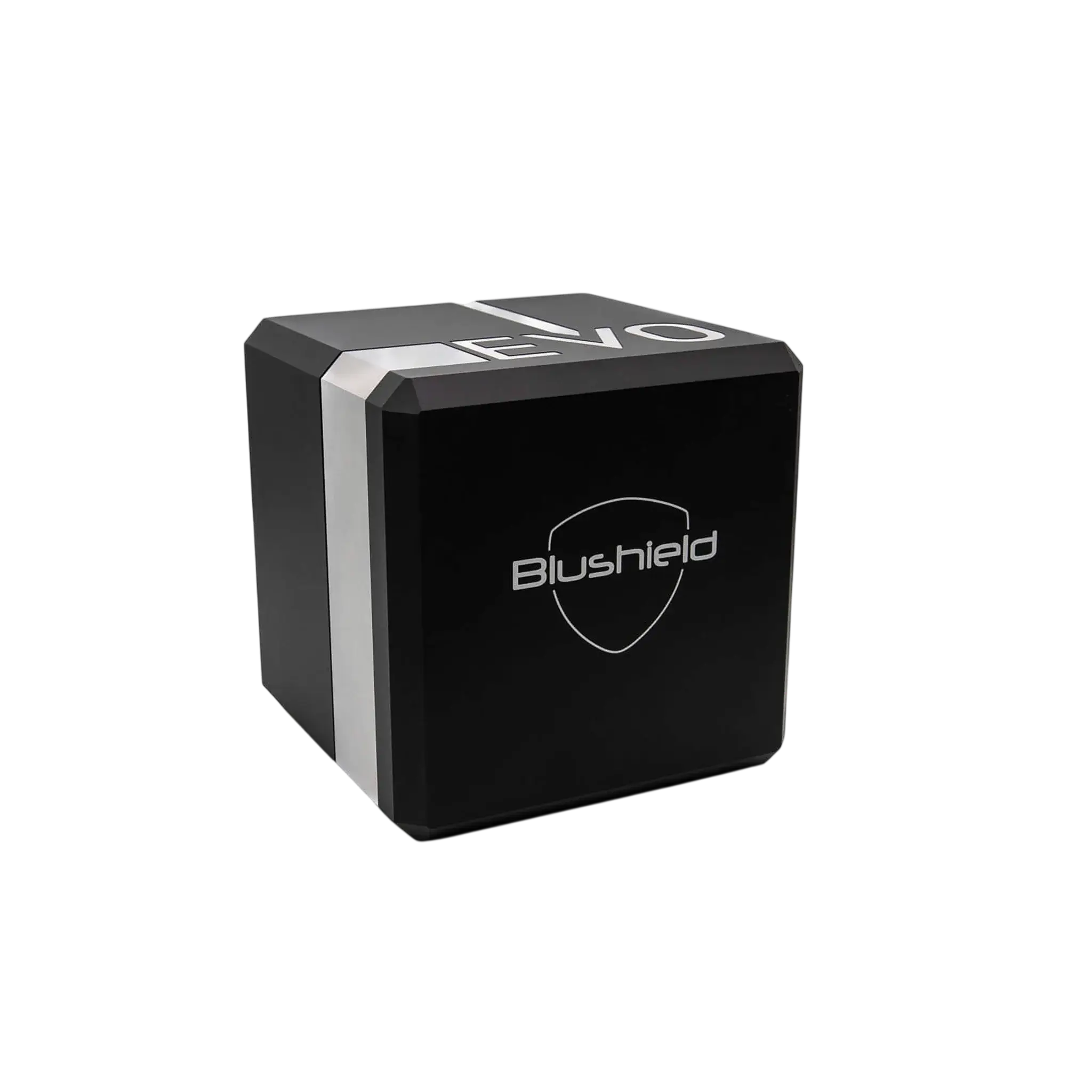
If you have a solar power system with a smart meter or battery bank close to your living area, or if you live near a commercial solar production facility, a strong Blushield model like the C1 Ultimate Cube, EVO Cube or EVO Pyramid would be an excellent choice for optimal protection.
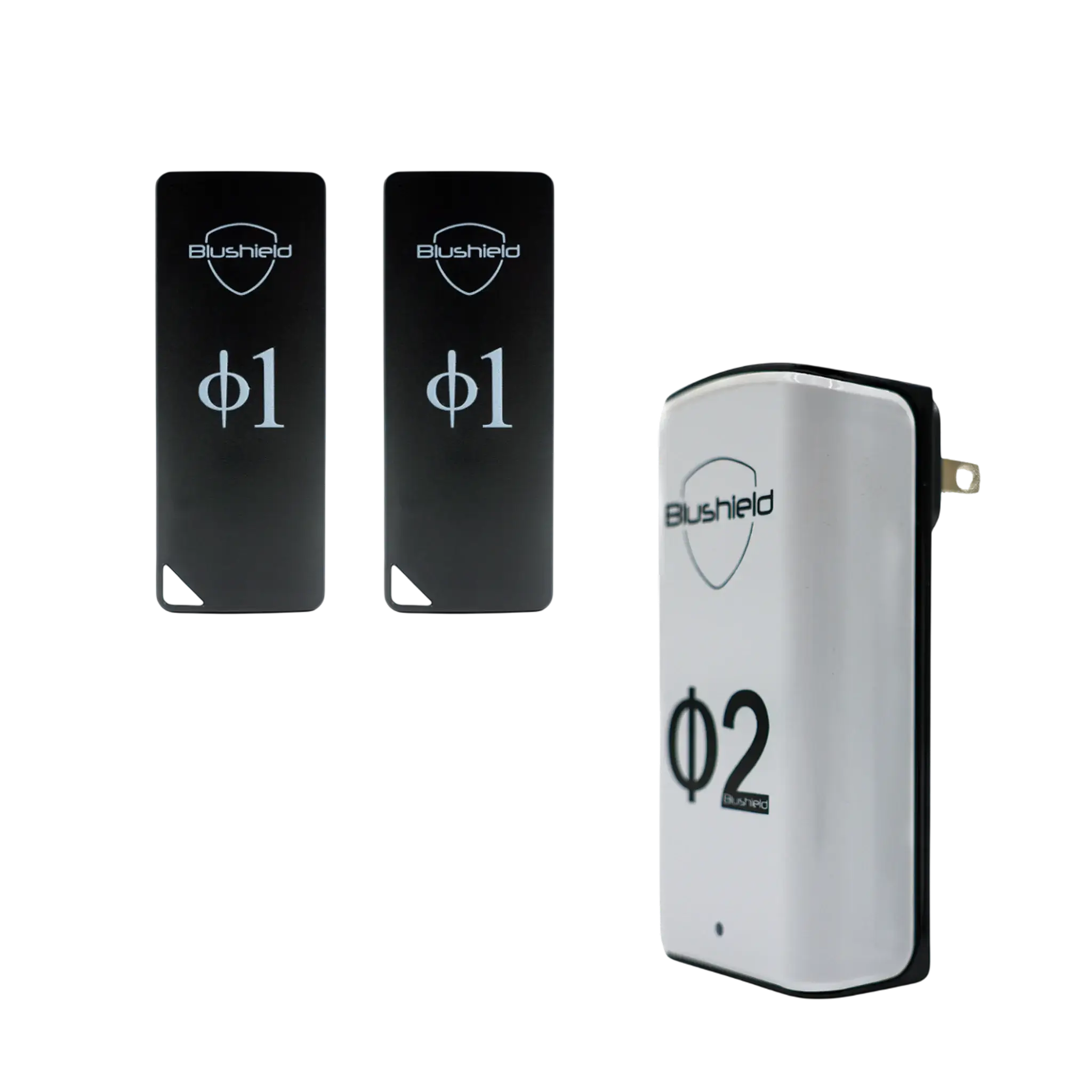
If your home solar power system is designed with plenty of distance between your living area and the strongest EMF sources – the inverter, battery and smart meter – one of our low to moderate EMF exposure models like the Phi 02 Plugin, Phi 03, or B1 Premium Cube would likely suit your needs well.
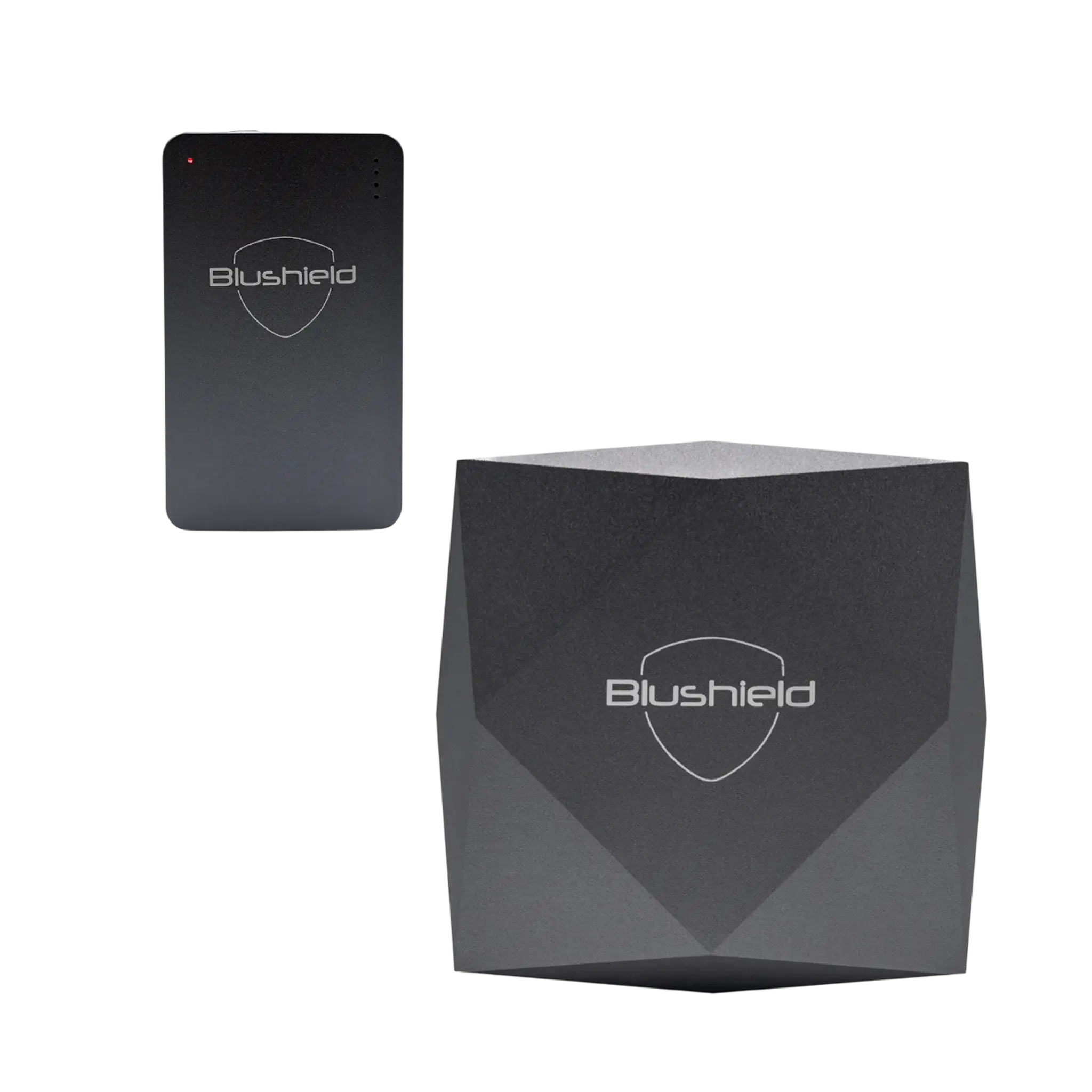
If you also need protection when you leave your house, from the EMFs in your vehicle, cell towers, and exposure sources at other locations, a Blushield portable device will ensure that you stay in your “protective bubble” no matter where you go and what you’re exposed to.
Solar power systems can be a useful and beneficial upgrade to conventional electrical systems, as long as you understand the unique EMF risks and how to mitigate them.
References:
- U.S. Department of Energy: "Solar Integration: Inverters and Grid Services Basics" - https://www.energy.gov/eere/solar/solar-integration-inverters-and-grid-services-basics
- Renewable Energy Program Office: "Electro-Magnetic Interference
from Solar Photovoltaic Arrays" - https://docs.nrel.gov/docs/fy17osti/67440.pdf - Solar-electric.com: "How To Reduce Electromagnetic Interference in Solar Systems" - https://www.solar-electric.com/learning-center/reducing-electromagnetic-interference-pv-systems.html/
- Renewable Power for Sustainable Growth conference paper: "Solar Rooftop On-Grid Connected Net Metering System" - https://link.springer.com/chapter/10.1007/978-981-99-6749-0_8
- IntegrateSun.com: "Do You Need a Smart Meter for Solar Panels?" - https://www.integratesun.com/post/do-you-need-a-smart-meter-for-solar-panels
This post copyright ©2020–2026 Blushield USA. All rights reserved.
Unauthorized use and/or duplication of this material without express and written permission is strictly prohibited.
Explore more Articles

In a story we have been following for months, the residents of a small Alaskan island town who have been fighting against a proposed cell tower placement in a residential area were recently given the best news they could hope for, making over half a year of hard work worth it: the proposed cell tower was officially rejected by a court decision this October.
Studying the details of this case should help other local municipalities fight proposals for inappropriately placed cell towers in their area, and the precedent set by this case could strengthen other legal battles that are fought on similar grounds.
How did Sitka, Alaska win this case, when the Telecommunications Act of 1996 only allows local governments to reject new cell tower placements under very specific conditions?
Sitka is a remote island town of roughly 8,400 residents who take pride in the spectacular scenery, wildlife and tight-knit neighborhoods. Local wireless communications provider Tidal Networks had their sights set on a building location on a hill right above a residential neighborhood on Nancy Court, in an area with R-1 residential zoning, within 150 feet of homes. They insisted that the cell tower would need to be a massive 120-foot monopole to provide the level of coverage they were targeting, even though the R-1 zoning laws restrict the height of cell towers to only 35 feet, to protect local aesthetics and property values.
Another major issue is that the proposed cell tower location is in a zone with considerable landslide risk. This neighborhood is located at the edge of town, on the base of a hill. Landslides at this location are a distinct possibility, and far more likely if the soil is disturbed through construction of a large cell tower. Not only would the addition of a cell tower destabilize the ground in this area, making landslides more likely, but a strong landslide could cause the cell tower itself to collapse. If this occurred, the tower would fall towards the neighborhood, and local residents would be in danger for not just their property, but their lives.
Aesthetics are an important subject for local residents, who specifically built their houses in this location for the breathtaking natural views of nearby mountains, thick trees of the temperate rainforest, and the ocean view below.
As soon as the local government notified residents of the planned tower, many of them became alarmed and began researching the potentially harmful health effects of living so close to a radio frequency radiation emitting cell tower. Although the Telecommunications Act of 1996 specifically prohibits the rejection of cell towers based on the environmental effects of radio frequency emissions (which is absurd, as this should be a valid concern and argument in itself), fortunately Sitka had several other solid arguments to lean on, which were supported by the Act.
Tidal Networks filed for a variance (a zoning exception) to the 35-foot tower zoning restriction, arguing that the surrounding trees would block too much of the tower’s signal. Even though the Sitka Planning Director initially recommended that the variance be granted, it ended up being denied the first time, in April, due to a lack of supporting evidence. The telecom provider did not give up, and appealed their request, but it was eventually denied once more for several reasons. R-1 residential zoning restrictions only allow cell towers up to 35 feet in height, and variances are only granted if the tower would serve a clear need in the community. Sitka is already considered to be well serviced by wireless network providers, including accessible plans for low income residents, so the Tidal Networks tower would not be filling a need that was previously absent.
Another unusual aspect of the proposal that contributed to its denial by the court is the tower would have no wired fiber optic ground connection that would allow other local providers to place antennas on it, but would exclusively connect with satellite internet providers like Starlink. This would limit the usefulness of the tower as a placement structure for other antennas, and the company provided no cost analysis plans for building out a wired ground connection, now or in the future.
One of the telecom’s arguments for being granted this tower location is that they investigated 129 different sites in the Sitka area, and the Nancy Court location was the only one providing adequate coverage. It turns out that many of these 129 sites were private property, and property owners refused to sell their land to the telecom. Since Tidal Networks intended to use grant money for this tower, and the grant required that Tidal has ownership over their building locations (instead of just leasing the land), the property owners’ refusal to sell automatically ruled out many of the other sites.
The Court Decision text states, “Public comments and letters were uniformly opposed to the variance based on concerns that construction of the tower would lower the value of nearby properties, would expose nearby residents to potentially dangerous radio emissions, destabilize landslide prone slopes in the area, and negatively impact aesthetics and land values in the area.”
The successful rejection of this tower was fully due to local residents banding together and taking quick and decisive action, both in seeking out legal assistance, as well as speaking out about the tower through letters and at local meetings throughout the entire process. Early on, as soon as residents were informed of this tower proposal and became cognizant of its potential dangers, they formed Sitka For Safe Tech, and contacted Children’s Health Defense attorney Scott McCullough, an expert attorney with extensive experience with cell tower related cases. This early action was vital to their success.
It is vastly easier to prevent a cell tower from being placed while in the early planning stages, than to cause a cell tower to be removed after it’s already been built.
Why is it so hard for local governments to reject cell towers?
The court decision document for the Sitka case included an insightful section that illustrates the heart of the problem of why rejecting cell towers is so difficult:
“Proposals to build wireless telecommunication towers invariably raise thorny issues for local zoning authorities. Much like high voltage power lines, highways, and airports, almost everyone uses the services made possible by these towers. Indeed, given the number of people and businesses who depend on the availability of reliable wireless networks, these towers are a necessity of modern life. Correspondingly, however, nobody wants a telecommunications tower constructed close to their home. If the decision to build these towers was effectively handed over to the owners of nearby properties, it seems a safe assumption that few would ever be built.”
This paragraph illustrates a classic conflict between the needs of the public and the values of the private. The document then follows up by quoting the Telecommunications Act of 1996, and how Section 704 (which is an amendment to Section 332 of the original Communications Act of 1934) intends to balance the scales between the values of the private individual and the benefits desired by the public:
“For this reason, Congress has enacted provisions within the Telecommunications Act, that limit the ability of state and local governments to deny applications for the construction of “personal wireless service facilities.” These provisions, which have been codified at 47 U.S.C. §332(c)(7)(B), provide as follows:
(i) The regulation of the placement, construction, and modification of personal wireless service facilities by any State or local government or instrumentality thereof
(I) shall not unreasonably discriminate among providers of functionally equivalent services; and
(II) shall not prohibit or have the effect of prohibiting the provision of personal wireless services.
(ii) A State or local government or instrumentality thereof shall act on any request for authorization to place, construct, or modify personal wireless service facilities within a reasonable period of time
(iii) Any decision by a State or local government or instrumentality thereof to deny a request to place, construct, or modify personal wireless service facilities shall be in writing and supported by substantial evidence contained in a written record.
(iv) No State or local government . . . may regulate the placement, construction, and modification of personal wireless service facilities on the basis of the environmental effects of radio frequency emissions to the extent that such facilities comply with the Commission's regulations concerning such emissions.
To the extent a local government denies an application to build a personal wireless service facility in violation of these provisions, the applicant may seek an injunction in federal court that overturns the denial.”
Overall, these rules provide a reasonable compromise between private and public needs. The main exception is subsection (iv) that prohibits the rejection of cell towers on the basis of “the environmental effects of radio frequency emissions”, which could also be construed to include health effects. At this time, as studies continue to pile up demonstrating harmful health effects (on humans, animals, trees, insects and more) from radio frequency radiation, there is a major movement towards overturning section 704 of the 1996 Act, and specifically subsection (iv).
The most vocal source of opposition is 704 No More, an initiative of the Children’s Health Defense, who have been instrumental in helping local municipalities battle inappropriate placement of cell towers. The 704 No More initiative seeks to educate people about the need for an environmental and health based defense against cell tower placement, with the intention to eventually overturn or revise Section 704.
FCC seeks to override local zoning restrictions with new rule – don’t let them!
Ironically, or perhaps intentionally, the FCC is currently seeking movement in the opposite direction. From FCC’s Docket 25-276, a Notice of Proposed Rulemaking is attempting to “streamline” tower placement by eliminating “regulatory burdens imposed at the state and local level”. Even with the very reasonable rules already stated in the 1996 Act, which mostly favor the telecoms and not local governments, that is not enough for them. They want to “expedite, eliminate and simplify permitting burdens”, which they argue are limiting economic development, job creation and energy production.
We don’t see what the problem is. Aren’t there enough cell towers already?
Also, it is perfectly reasonable to require a large build-out of infrastructure (like a cell tower) to go through a full permitting and approval process, and not to be granted special benefits to skip over any part of a full assessment for appropriate placement and planning at the state and local level.
Local municipalities already have limited power to prevent cell tower placement, and must base their rejection on very specific arguments (as outlined in the 1996 Act above). If a local government cannot listen to the concerns of the people they serve, and act as an intermediary between the needs of their citizens and the desires of large corporations (who may not truly have the benefit of the people in mind, over their own profits), then what fail-safe do we have to prevent unchecked growth that may be motivated by greed?
It is true that private values and public benefits can sometimes seem to be in conflict. This should be where the “scales of justice” can step in, assess the nuances of an individual situation, and decide on a solution that is truly fair. To do this successfully, the appropriate laws must be in place to act as a basic framework for these real-time decisions to be made in the courts. We cannot completely skew the law in favor of large corporations, and leave no recourse for local areas to defend the needs of their people.
If we allow this, there would be nothing left to limit and safeguard against the greed of money-hungry corporations who aren’t serving a real need to “underserved” areas, and are mainly concerned with propping up as many cell towers as they can get away with.
The FCC Proceeding is titled “Build America: Eliminating Barriers to Wireless Deployments”, Docket Number 25-276.
A website titled Preserve Local Control has been created as a platform to spread the word about this proposed rule, so that we can submit comments directly to the FCC’s docket within a time-sensitive window. If you want to share your opinion, please go here and read about how to submit comments, along with a sample comment, in case you need a template to start from: Preserve Local Control – https://www.25-276.org
What did Sitka, Alaska do correctly that other local areas can learn from?
Let’s go back to the successful Sitka case to close this out, and summarize what Sitka did right that other local areas fighting proposed cell tower installations could learn from.
It’s true that part of their success was situational: the Tidal Networks cell tower proposal was almost doomed to fail, due to their bravado in assuming they could take advantage of the inertia of the system and be granted an easy variance to the zoning regulation on tower height. They were also lazy in their planning, with an insufficient argument as to why they needed a 120-foot tower (instead of a more gentle compromise of a tower height somewhere between 35 and 120 feet). Another aspect of the denial was due to the telecom’s inability to show that its proposed tower “would not be materially detrimental to the public welfare or injurious to the property nearby parcels.” This likely refers to both the landslide risk of the area, as well as the tower affecting aesthetics and property values, both of which are strong grounds for a rejection that are well supported by the 1996 Act.
However, even with all its flaws, this tower proposal would have likely been approved seamlessly if local residents didn’t take a stand against it.
The court’s verdict also stated that 47 U.S.C. § 332(c)(7)(B) does not apply to the tower proposed by Tidal Networks, because it would only provide services for their fixed wireless broadband internet service subscribers, and not wider and more generic commercial mobile services “available to a substantial portion of the public” that the Act provides protection for.
Even though we currently cannot argue for the rejection of a cell tower on the grounds of environmental or health effects of RF radiation (which we are hoping will change!), there are still other arguments we can make that are strongly valid under the current laws.
The most important thing is to act quickly – as soon as you hear about plans for a proposed cell tower in your area, seek legal counsel from an experienced attorney (like Scott McCullough) to determine if your area has solid grounds on which to reject the tower placement. Since the 1996 Act requires that local governments must “act on any request within a reasonable period of time”, this means you cannot delay taking action, because your local area is required to respond as quickly as possible.
Blushield supports the EMF and cell tower initiatives of Children’s Health Defense
Every month at Blushield, we donate a portion of our profits from our EMF protection devices specifically to the EMF and cell tower related initiatives of Children’s Health Defense. This helps to fund vitally important cases against inappropriate and dangerous cell tower placements, including the recent successful case in Sitka, Alaska.
Every purchase you make to protect yourself from EMFs with Blushield home and portable devices will help fund cases that will protect the health and well-being of local families from cell towers that would be placed near homes and schools.
References:
- Children’s Health Defense: Sitka, Alaska Court Verdict – https://childrenshealthdefense.org/wp-content/uploads/Decision.pdf
- Children’s Health Defense: “Sitka Residents Block Cell Tower Project With Help From CHD’s Stop 5G Initiative” – https://childrenshealthdefense.org/defender/sitka-residents-block-cell-tower-project-help-from-chds-stop-5g-initiative
- Children’s Health Defense: “Alaskans Join Forces With CHD to Fight Giant Cell Tower in Residential Area” – https://childrenshealthdefense.org/community/sitka-alaska-chd-fight-giant-cell-tower-residential-area
- Children’s Health Defense: “Residents of Alaska Town Battle to Keep 120-ft Cell Tower Out of Neighborhood” – https://childrenshealthdefense.org/defender/residents-alaska-town-battle-to-120-ft-cell-tower-out-neighborhood-5g
- FCC.gov: Telecommunications Act of 1996 – https://transition.fcc.gov/Reports/tcom1996.pdf (Section 704 can be found on page 117)
- Preserve Local Control – https://www.25-276.org
- FCC.gov: “Build America: Eliminating Barriers to Wireless Deployments” (Docket No. 25-276) – https://docs.fcc.gov/public/attachments/FCC-25-67A1.pdf
- 704 No More: An Initiative of the Children’s Health Defense – https://www.704nomore.org

First let’s start with the good news: the recently published Make America Healthy Again (MAHA) report is the first official acknowledgment by the executive branch of the United States government that electromagnetic fields (EMFs) pose health risks even below the FCC exposure level guidelines. In itself, this is a groundbreaking step towards broader public awareness and action steps to protect humans, animals and the environment from ever increasing EMF exposure from a wide variety of manmade sources.
However, there has been much criticism about how the report significantly downplays the harms of EMFs, and made statements that were watered down, misleading and even erroneous, to lead the public to believe that the potential problem isn’t nearly as bad as it actually is.
Let’s break it down to see what the report does say, and what it leaves out.
The MAHA Report, published on May 22nd, 2025, is a very extensive and detailed 73-page document. The report focuses on the effects of ultra processed foods, environmental toxins, the childhood vaccination schedule, overmedicalization, a sedentary lifestyle, and corporate lobbying, considering all of these to be heavily influential factors in the chronic disease epidemic in the United States, especially in children.
The contents are groundbreaking and significant, and could create a wave of positive policy change that supports human health. The majority of subjects this report addresses have been considered taboo in the past, and are concerns of a growing percentage of the population that have been continually ignored by the government and their corporate lobbyists. These lobbyists represent the industries that control the widespread acceptance of these harmful lifestyle factors, which strongly influence our culture and habits, to all of our detriment.
The report points out that over 40% of U.S. children have at least one chronic health condition, making this generation of children the sickest in American history. These trends have consistently worsened each year, according to the report, “posing a threat to our nation’s health, economy, and military readiness.”
In particular, childhood cancer, obesity and autism have increased by alarming rates since the 1970s. It is predicted that children growing up today are likely to have shorter lifespans than their parents.
Health & Human Services (HHS) Secretary Robert F. Kennedy, Jr., calls this report a “diagnosis”, and says “the prescription will follow in 100 days”, likely sometime in August.
This report is truly the first of its kind, and we want to give it the credit that is due, especially if the action steps taken based on this report’s findings are truly enough to result in significant positive change.
Unfortunately, although EMFs were mentioned in the report, it was only one brief paragraph that touched on the potential harms – and the dangers were disappointingly downplayed.
EMF section of the MAHA report misses the mark
Throughout the otherwise comprehensive 73-page MAHA report, which extensively explores several influences and elements considered harmful to children today, only one short paragraph was dedicated to EMFs, on page 44. It was tucked into a broader section addressing environmental chemicals, but many critics say that there should have been a full section of the report dedicated to EMFs as one of the main drivers of chronic health issues in children.
This is the full statement concerning EMF exposure in the MAHA report, along with several numerical citations:
“Electromagnetic Radiation (EMR): an exposure due to the proliferation of cell phones, WiFi routers, cell towers, and wearables. Some studies have linked EMR exposure to reduced sperm counts and motility but not quality. The NIH’s National Toxicology Program identified “clear evidence” of DNA damage and increased cancer risk in rats. However, a recent systematic review of over 50 studies found low to inadequate evidence on impact in children and called for more high-quality research.”
In comparison with the dedicated work that Robert F. Kennedy, Jr. himself, who spearheaded the MAHA report, has done to bring awareness to the imminent and extensive dangers of EMFs, the casual and light nature of this paragraph is both confusing and frustrating. There is much speculation that this statement was written or heavily doctored by a telecom industry representative infiltrating the government with corporate lobbying money – which is quite ironic, considering that the report devotes a whole section to the serious issue of corporate lobbyists and their influence on public health policy.
This paragraph selectively cites a 2022 systematic review that found “low to inadequate evidence of impact on children”, calling for “more research”, which is a well known delaying tactic by polluting industries of all types. The report ignores larger, more recent and incriminating study reviews, including a systematic review from the World Health Organization (WHO) from 2025 that concluded there is “high certainty” evidence that cell phone radiation causes two types of cancer in animals. There are several more recent study reviews, as well as an extensive body of well designed and executed scientific research, that the MAHA report completely fails to mention.
The EMF paragraph also contains an erroneous statement about the effects of EMFs on sperm quality. It stated that sperm counts and motility were negatively affected by EMFs, but not sperm quality. However, in the medical field, sperm quality is assessed by looking at a combination of several factors, including sperm motility. If sperm motility was negatively affected by EMFs, that automatically means overall sperm quality had to have been affected by EMFs as well.
Dr. Robert Brown, a diagnostic radiologist with more than 30 years of experience, points out that the statement doesn’t make sense, and was likely added by someone without a background in the biomedical research field.
“By affecting sperm counts and motility, sperm quality is affected,” Brown pointed out, then goes on further to state, “I wonder who added this erroneous phrase, and find it interesting that it was added in the same document in which a separate section discusses corporate capture and the revolving door.”
The report’s silence on the influence of corporate capture as applied to EMF dangers definitely raises questions. A 2021 court ruling in the Environmental Health Trust vs. FCC case declared the FCC’s decision not to reevaluate their 1996 wireless exposure guidelines to be “arbitrary and capricious,” and an order by the judge compels the FCC to revise these grossly outdated guidelines, which they have still failed to do several years after the ruling.
It seems quite clear that the telecom industry and the governmental branches that presumably regulate this industry are using tactics of delay and dismissal to avert the public’s eyes to the problem, even while other timely public health issues are finally being addressed in the MAHA report.
Multiple recent bills by the current administration have focused on expanding wireless proliferation even more, including a newly approved spectrum auction in the 600 MHz range, as well as a new bill proposing to grant the FCC even more authority: Section 40002 of HR 1 would trigger provisions that allow telecoms to place an unlimited number of antennas on existing antenna structures without notice or approval.
Here is a letter you can print out and send to your local officials, urging them to reject Section 40002 of HR 1 on the argument that the FCC still hasn’t complied with a 2021 court order compelling them to update their outdated wireless exposure guidelines from 1996:
Printable document urging rejection of HR 1 § 40002 FCC Spectrum Auction Authority
Children’s Health Defense fights back with the 704 No More initiative
An organization dedicated to protecting children from harmful environmental and medical exposures, Children’s Health Defense (CHD) is committed to ending the rise in childhood health epidemics by holding corporations and regulatory agencies accountable, and pushing for stronger safety standards.
One of CHD’s recent initiatives directly addresses the weak link in the law that is responsible for allowing telecoms to get away with unchecked placement of cell towers in populated areas, especially in neighborhoods and near schools: Section 704 of the Telecommunications Act of 1996.
This law prevents local regulation of wireless infrastructure based on health and environmental effects, and is widely considered to be unconstitutional, because the law deprives states of their traditional police powers designed to protect the health and welfare of their citizens. The 704 No More initiative seeks to overturn this law, restoring the legal ability of local governments to have a say in the placement of cell towers within their communities.
Section 704 undermines public health, environmental protections, and individual rights. It allows for the enforcement of the FCC’s outdated RF radiation guidelines, ignoring mounting evidence of harm, particularly to children.
As one of the causes Blushield supports with monthly donations, a portion of your Blushield EMF protection purchase is donated to support the 704 No More initiative, as well as CHD’s Stop 5G initiative.
704 No More is a powerful initiative that gets right to the heart of the issue, as Section 704 currently grants legal protection to the telecom industry from any individual and local community seeking to challenge the inappropriate and dangerous placement of cell towers near residences and schools.
The initiative argues that this legal framework must be dismantled because:
- RF radiation below FCC limits has been shown to harm children’s health and the environment.
- Children harmed by RF radiation exposure are left without remedies or compensation.
- FCC guidelines are outdated, do not take children into account, and fail to consider current scientific evidence.
- Excessive FCC authority overrides local control and judicial oversight.
Led by expert attorney Scott McCollough, the actions being implemented by 704 No More include strategic litigation, public education, grassroots mobilization, and legislative advocacy.
Updating FCC standards and curtailing federal overreach are critical steps toward protecting our children’s well-being. By restoring local authority and individual rights, we can build a healthier, safer future for our children.
References:
- The MAHA Report – https://www.whitehouse.gov/wp-content/uploads/2025/05/MAHA-Report-The-White-House.pdf
- Children’s Health Defense: “MAHA Report ‘Falls Short’ on Linking Wireless Radiation to Chronic Disease, Experts Say” – https://childrenshealthdefense.org/defender/maha-report-falls-short-wireless-radiation-chronic-disease-emr/
- Children’s Health Defense: “RFK Jr.: MAHA Report a ‘Clarion Call’ to End the Chronic Disease Epidemic” – https://childrenshealthdefense.org/defender/rfk-jr-the-maha-report-end-chronic-disease-epidemic/
- 704 No More: An Initiative of Children’s Health Defense – https://www.704nomore.org/about
- Quantadose: “The MAHA Report’s Dangerous Blind Spot: Ignoring EMF Radiation Endangers Our Children’s Future” – https://www.quantadose.com/the-maha-reports-dangerous-blind-spot-ignoring-emf-radiation-endangers-our-childrens-future/

Lloyd Burrell from ElectricSense, a prominent international EMF educator, has been a Blushield user and fan for years now. He recently interviewed Brandon Amalani about Blushield, including diving deep into the fascinating science of scalar, and discussing Blushield's new clinical trial on humans that found statistically significant improvements across a variety of health markers.
This interview is now only viewable on Lloyd's membership site, but they were gracious enough to allow us to post it on our website as well, so our customers can benefit from this insightful and inspiring interview!
Just click play on the video below, and enjoy! See underneath the video for some timestamps of important talking points that were covered.
Here are a few timestamps from the FULL interview to support you:
- [04:30] Why blocking EMFs is often a “terrible idea”
- [09:46] What really happens when your body encounters EMFs? (It's probably not what you think)
- [10:34] How the nervous system responds to chaotic vs. coherent signals—this is CRUCIAL
- [15:48] What is scalar energy? How does it relate to healing and EMF protection?
- [21:14] A man-made field your body can sympathetically resonate with
- [30:00] How early animal studies show clear benefits with Blushield technology—this CANNOT be just placebo
- [36:33] How Blushield creates a beneficial health outcome in so many, many ways—here’s the peer-reviewed science to PROVE it.
- [44:35] Does Blushield work for everyone? (what the SCIENCE says)
- [49:43] How it's critical to know the noise-to-signal ratio on the sine wave coming into your house—many EMF experts overlook this
- [56:46] Ultimately the most important thing is working on your consciousness—how Blushield technology can help you in that goal

Product updates
Practical tips for low-EMF living
New releases
Exclusive promotions
Frequently asked questions
Invisible forces are part of modern life, but their impact doesn’t have to define you. Blushield works quietly in the background, supporting a more stable, balanced internal state so you can focus, rest, and perform at your best.
It doesn't block or shield EMF. Instead, Blushield is designed to support the body's natural response to everyday electromagnetic exposure. By focusing on biological support rather than altering environmental signals, it takes a different approach to EMF protection.
Plug-in units (Premium, Ultimate, Phi) cover your home. Portables cover you when you leave it. Most people start with one of each: a plug-in for the house and a portable for travel, work, and the car. If you're not sure, use our Find Your Device tool or message us.
30-day limited money-back guarantee on every device (restocking fee applies - see our full return policy). Stationary and portable units carry a 1-year warranty. If anything extends past that, contact us.
Yes. EMF meters measure intensity, not biological impact. Even low-level exposure from Wi-Fi, Bluetooth, smart meters, cell towers, and nearby homes accumulates 24/7. Blushield works on the body's response, so it helps regardless of what a meter reads.
Some people feel calmer or sleep better within the first night. For others it's a few weeks of gradual change - better focus, deeper sleep, and less fatigue. A small number notice a short adjustment period as the body recalibrates. Everyone responds differently, so give it time to become part of your daily environment and let the benefits build naturally.
Yes. Blushield is built on decades of research into how the body responds to coherent vs. incoherent electromagnetic signals. We have independent studies, HRV data, and live-blood analyses on our Science page. We don't make medical claims. We point you to the data and let you decide.